


The Science Behind Reference Electrodes in Instrumentation: Unlocking the Secrets of Accurate Measurements
Release time:
2025-07-28
The Science Behind Reference Electrodes in Instrumentation In the realm of environmental detection and monitoring, **reference electrodes** serve as crucial components that ensure the accuracy and reliability of measurements. These electrodes provide a stable reference potential against which other measurements can be compared, making them indispensable in various analytical techniques. In this ar
The Science Behind Reference Electrodes in Instrumentation
In the realm of environmental detection and monitoring, **reference electrodes** serve as crucial components that ensure the accuracy and reliability of measurements. These electrodes provide a stable reference potential against which other measurements can be compared, making them indispensable in various analytical techniques. In this article, we will explore the science behind reference electrodes, their types, applications, and the factors influencing their performance. By the end of this detailed discussion, you will have a comprehensive understanding of how reference electrodes work and their pivotal role in modern instrumentation.
Table of Contents
- What Are Reference Electrodes?
- The Importance of Reference Electrodes in Instrumentation
- Types of Reference Electrodes
- Working Principle of Reference Electrodes
- Applications of Reference Electrodes in Environmental Monitoring
- Challenges in Using Reference Electrodes
- Advancements in Reference Electrode Technology
- The Future of Reference Electrodes in Monitoring Systems
- Conclusion
- FAQs
What Are Reference Electrodes?
Reference electrodes are electrochemical devices that maintain a constant potential, which serves as a benchmark for measuring the potential of other electrodes in a system. Typically composed of a metal and its salt solution, reference electrodes ensure that voltage readings are accurate, facilitating quantitative analysis in various applications. Their stability is paramount, as fluctuations in potential can lead to significant errors in measurement.
The Importance of Reference Electrodes in Instrumentation
The significance of reference electrodes in instrumentation cannot be overstated. They are essential for:
- Ensuring Measurement Accuracy: By providing a stable reference point, they eliminate discrepancies in voltage readings.
- Enhancing Sensitivity: A well-functioning reference electrode increases the sensitivity of measurements, especially in low concentration environments.
- Reducing Measurement Drift: Reference electrodes help mitigate drift, which can occur due to temperature changes or chemical interactions.
Types of Reference Electrodes
Understanding the different types of reference electrodes is crucial for selecting the appropriate one for specific applications. Below, we discuss the most common types utilized in environmental monitoring instruments.
Calomel Electrodes
Calomel electrodes consist of mercury in contact with mercurous chloride (calomel). They are known for their stable potential and are widely used in laboratory settings. Despite their reliability, their use is declining due to environmental concerns over mercury toxicity.
Silver/Silver Chloride Electrodes
Silver/silver chloride electrodes are favored for their simplicity and low cost. They maintain a stable potential and are less toxic than calomel electrodes. Their compatibility with various electrolytes makes them suitable for numerous applications.
Glass Electrodes
Glass electrodes are specifically designed for pH measurements. They consist of a thin glass membrane that selectively responds to hydrogen ions, making them ideal for acid-base titrations and other pH-related analyses.
Non-Aqueous Electrodes
Non-aqueous reference electrodes are employed in systems where aqueous solutions are not suitable. They are typically used in organic solvent-based applications, expanding the versatility of reference electrodes in various analytical methods.
Working Principle of Reference Electrodes
The working principle of reference electrodes revolves around electrochemical equilibrium. When a potential is applied, the reference electrode undergoes a reversible redox reaction, establishing a constant voltage regardless of the variables in the measuring environment. This stability is achieved through a well-defined ionic concentration in the electrode's internal solution, allowing it to maintain equilibrium under various conditions.
Applications of Reference Electrodes in Environmental Monitoring
Reference electrodes find extensive use in several applications, particularly in environmental monitoring:
- Water Quality Monitoring: Regularly used to measure pH levels, dissolved oxygen, and other critical parameters in aquatic environments.
- Soil Analysis: Employed in agronomy for assessing soil pH and nutrient availability, impacting agricultural productivity.
- Industrial Processes: Vital for monitoring chemical processes where precise electrochemical measurements are crucial.
- Corrosion Studies: Help assess corrosion rates in metals by providing accurate measurements of potential differences.
Challenges in Using Reference Electrodes
While reference electrodes are instrumental in providing accurate measurements, they are not without challenges:
- Contamination: Exposure to contaminants can alter the electrode's potential, leading to inaccurate readings.
- Temperature Sensitivity: Changes in temperature can affect the stability of the reference potential, necessitating careful calibration.
- Maintenance: Some reference electrodes require regular maintenance and replenishment of electrolyte solutions to ensure optimal performance.
Advancements in Reference Electrode Technology
The field of reference electrode technology is constantly evolving. Innovations such as the development of solid-state reference electrodes have emerged. These electrodes offer benefits like compact design, reduced maintenance, and enhanced stability, making them ideal for modern environmental instrumentation.
The Future of Reference Electrodes in Monitoring Systems
Looking ahead, the integration of reference electrodes with smart technologies will revolutionize their application in monitoring systems. With the rise of IoT (Internet of Things) and AI (Artificial Intelligence), future reference electrodes may feature self-calibrating mechanisms and real-time data transmission capabilities, allowing for more responsive and efficient monitoring solutions.
Conclusion
Reference electrodes play a vital role in ensuring the accuracy and reliability of measurements in environmental detection and monitoring. Their stable potential makes them indispensable tools across various applications, from water quality monitoring to industrial processes. As technology advances, the development of innovative reference electrode designs promises to enhance their functionality and applicability further. Understanding the science behind reference electrodes not only helps improve measurement techniques but also contributes to more effective monitoring strategies in today’s environment.
FAQs
- What is the primary function of a reference electrode in instrumentation?
Reference electrodes provide a stable benchmark for measuring the potential of other electrodes, ensuring accurate and reliable readings. - What are the common types of reference electrodes used in environmental monitoring?
The most common types include calomel electrodes, silver/silver chloride electrodes, glass electrodes, and non-aqueous electrodes. - How does temperature affect reference electrodes?
Temperature changes can influence the potential stability of reference electrodes, necessitating careful calibration and monitoring. - Why is contamination a concern for reference electrodes?
Contaminants can alter the ionic concentration in the reference electrode, leading to inaccurate voltage readings. - What advancements are being made in reference electrode technology?
Recent advancements include the development of solid-state reference electrodes, which require less maintenance and offer enhanced stability.
Key words:
Learn more about industry dynamics
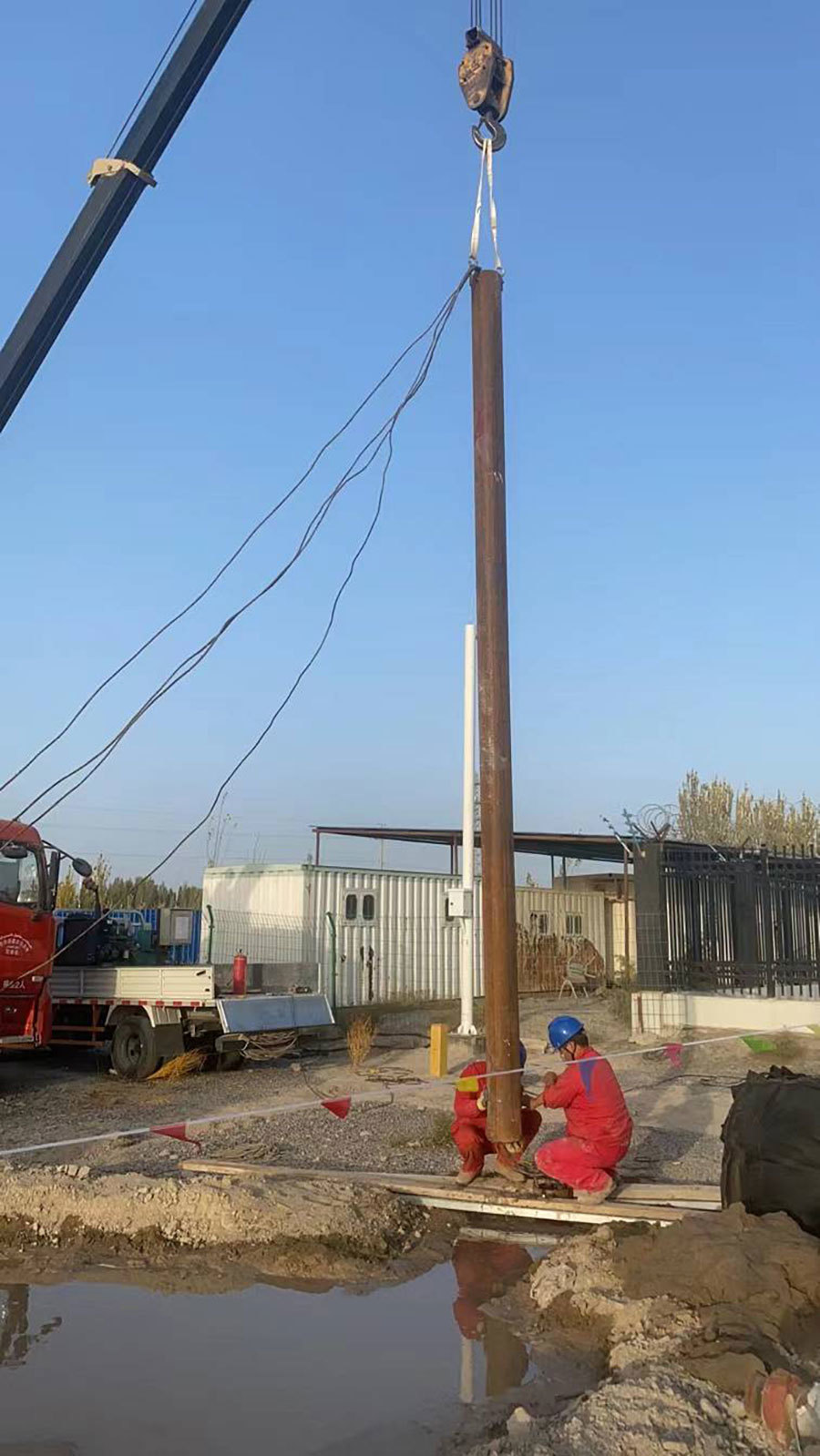
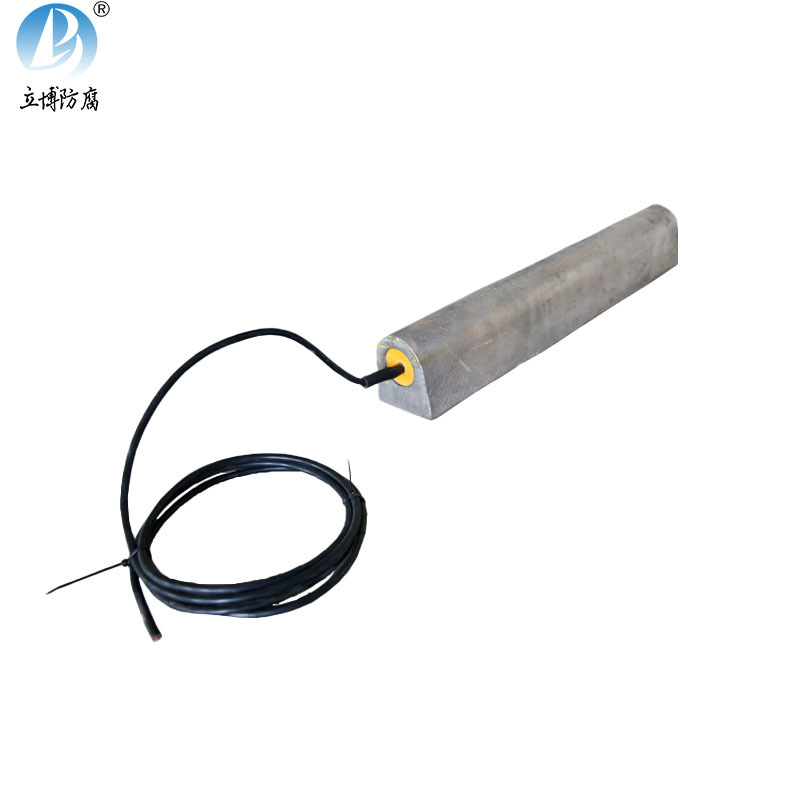
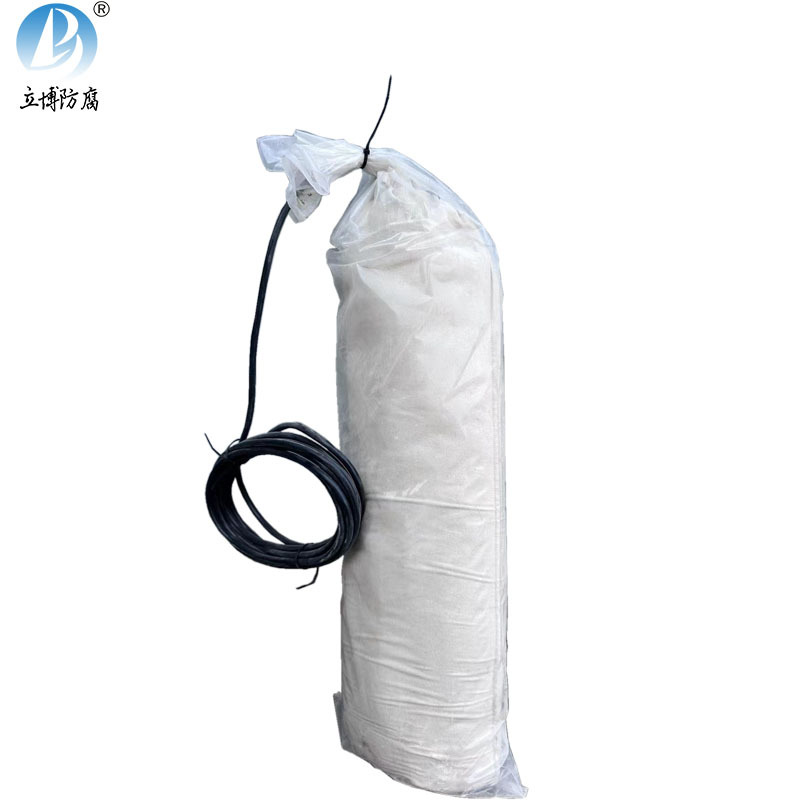
The company's main products: magnesium alloy sacrificial anode series, aluminum alloy sacrificial anode series, zinc alloy sacrificial anode series, and cathodic protection supporting products, such as more than a dozen varieties and hundreds of specifications.


Focus on the development and production of cathodic protection materials

online message
We will contact you within one working day. Please pay attention to your phone or email.