


Understanding the Role of Magnesium Anodes in Corrosion Prevention
Release time:
2025-05-14
Magnesium anodes play a crucial role in the field of corrosion prevention, especially in the construction and decorative materials industries. These specialized materials are designed to protect various metal structures from corrosion, which can significantly compromise their integrity and lifespan. Understanding how magnesium anodes work and their benefits can help professionals make informed dec
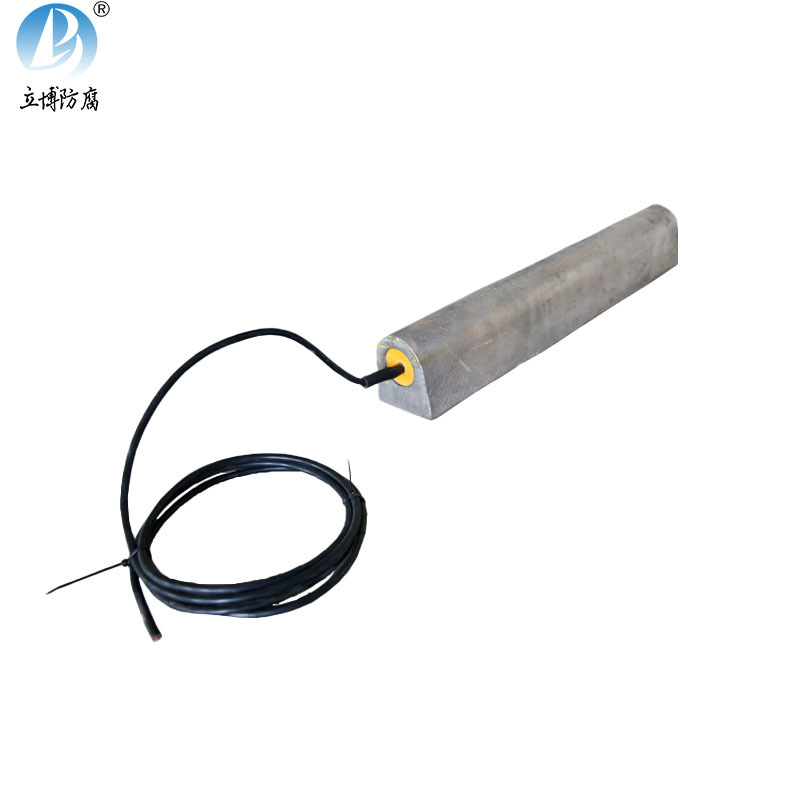
At the core of the functionality of magnesium anodes is the principle of cathodic protection. This method involves using a more reactive metal—magnesium, in this case—to sacrifice itself to protect other metals from corrosion. When magnesium anodes are attached to a metal structure, such as steel or iron, the magnesium corrodes preferentially, effectively creating a protective barrier that prevents the underlying metal from rusting or degrading.
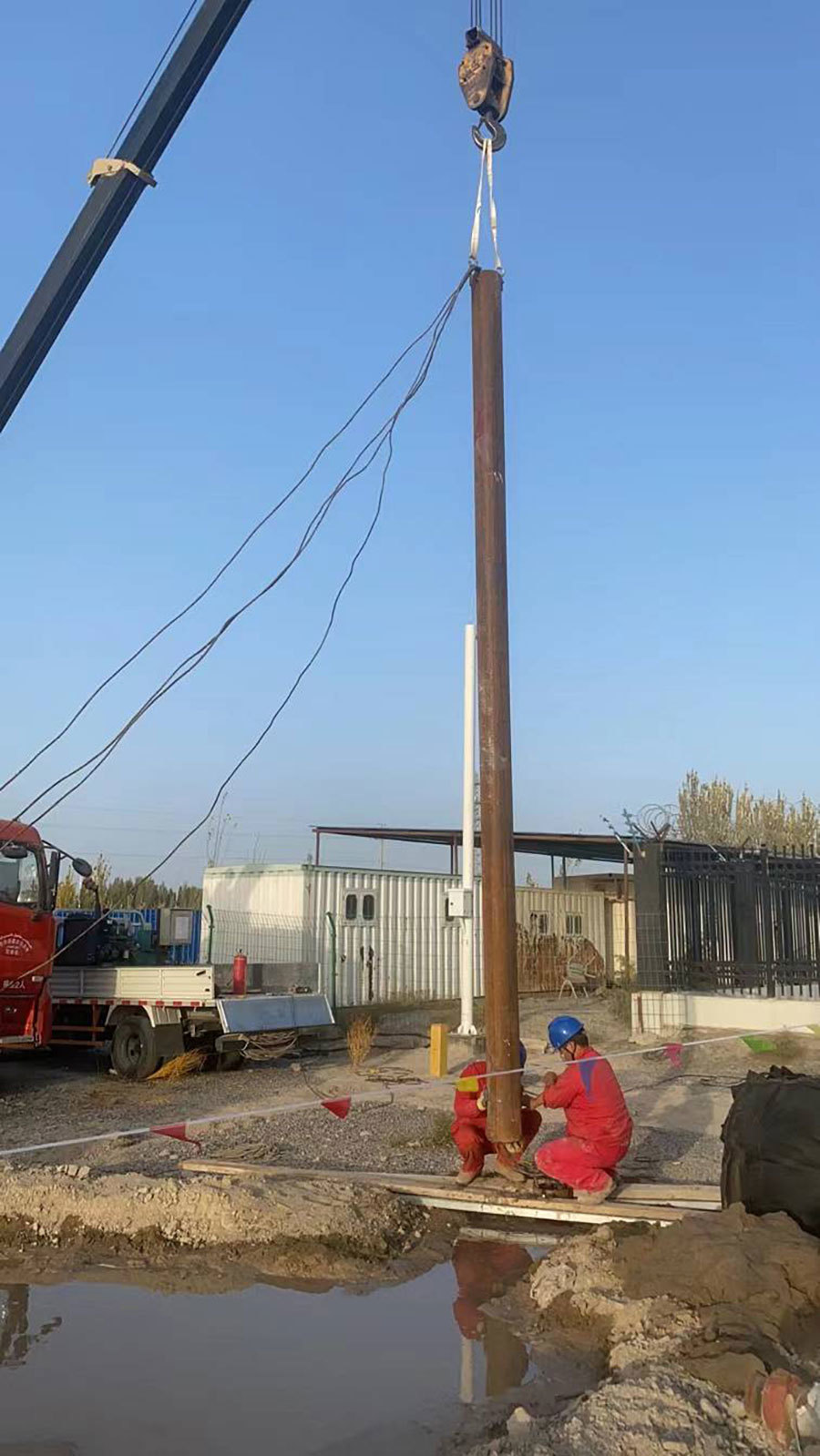
One of the primary advantages of magnesium anodes is their effectiveness in various environments, particularly in submerged or buried applications. They are particularly useful in marine environments, underground pipelines, and other settings where metal surfaces are exposed to moisture and aggressive electrolytic conditions. Their ability to perform well in these harsh conditions makes them an indispensable choice in many construction projects.
Moreover, magnesium anodes are lightweight and easy to install, adding to their appeal in the industry. They can be easily affixed to metal surfaces, ensuring that the cathodic protection system is efficient and unobtrusive. This ease of installation allows for quicker project timelines and reduces overall labor costs.
In addition to their functional benefits, magnesium anodes are also an environmentally friendly option for corrosion prevention. Unlike some other materials, magnesium is a non-toxic metal that does not pose risks to surrounding wildlife or ecosystems. This characteristic aligns with the growing emphasis on sustainability within the construction sector, making magnesium anodes a responsible choice for modern projects.
To maximize the effectiveness of magnesium anodes, professionals should consider factors such as the size and placement of the anodes, as well as the specific environmental conditions of the project site. Regular inspections and maintenance of the anodes are also essential to ensure continuous protection against corrosion.
In conclusion, magnesium anodes present a reliable and efficient solution for corrosion prevention in the construction and decorative materials industry. By leveraging their properties and understanding their application, professionals can enhance the longevity and durability of their projects, ultimately leading to safer and more sustainable built environments.
Key words:
Learn more about industry dynamics
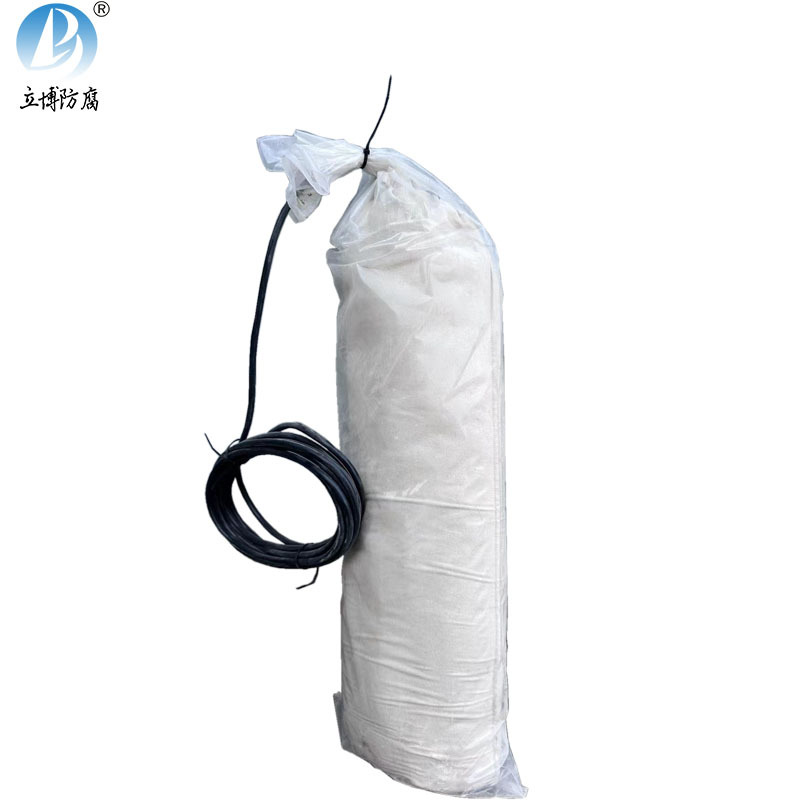
The company's main products: magnesium alloy sacrificial anode series, aluminum alloy sacrificial anode series, zinc alloy sacrificial anode series, and cathodic protection supporting products, such as more than a dozen varieties and hundreds of specifications.


Focus on the development and production of cathodic protection materials

online message
We will contact you within one working day. Please pay attention to your phone or email.