


The Significance of Irregular Zinc Anodes in Corrosion Prevention
Release time:
2025-04-10
Corrosion is a pervasive issue in various industries, particularly in construction and decorative materials where metal components are prevalent. One effective method to combat corrosion is through the use of anodes, specifically irregular zinc anodes. These anodes are designed to protect metal structures from the damaging effects of electrochemical reactions caused by moisture and environmental c
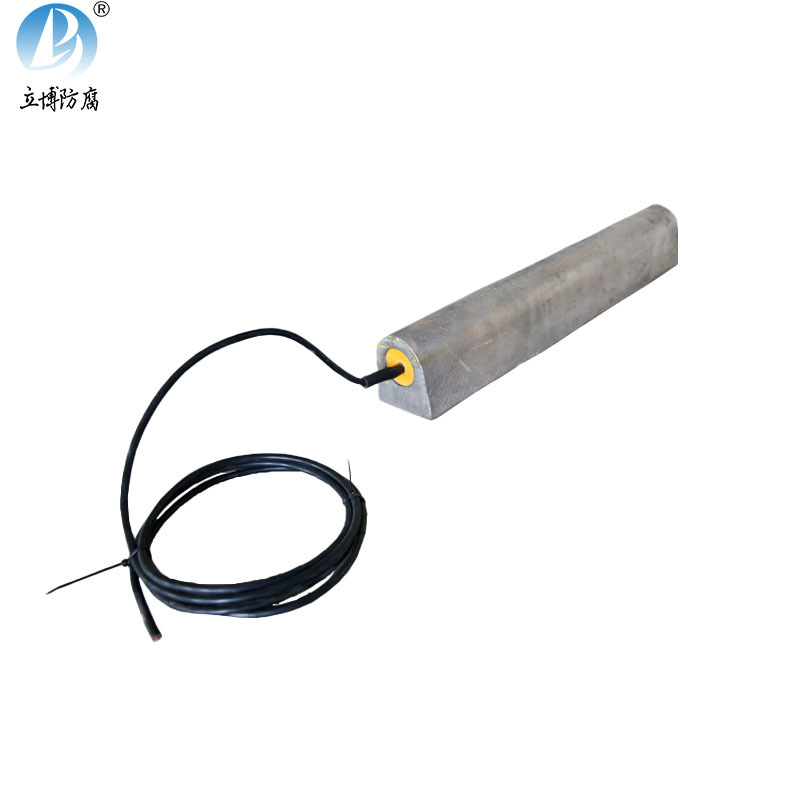
Irregular zinc anodes are typically employed in cathodic protection systems, a technique that reduces the electrochemical activity of metal surfaces. Unlike traditional, uniformly shaped zinc anodes, irregular zinc anodes feature a non-standard shape that maximizes surface area and enhances their efficacy. This variation allows them to provide better coverage and protection for irregularly shaped structures or surfaces that might be difficult to shield with typical anodes.
One of the primary advantages of using irregular zinc anodes is their ability to corrode preferentially. By sacrificing themselves, these anodes protect the underlying metal from corrosion. This sacrificial behavior is particularly beneficial in environments that are electrically conductive, such as marine settings or industrial areas with high humidity. The irregular shape helps to ensure that even in difficult-to-reach spaces, the anode can still provide a protective barrier against corrosion.
Additionally, the irregular design of these anodes can lead to enhanced electrical conductivity. The increased surface area allows for better electron flow, which is essential in maintaining effective cathodic protection. This characteristic is particularly important when dealing with large structures or intricate designs where traditional anodes may not perform adequately.
From an application standpoint, irregular zinc anodes are versatile and can be utilized in various projects ranging from pipelines and tanks to boat hulls and reinforced structures. Their ability to adapt to different shapes and sizes makes them invaluable in construction and decoration sectors, where maintaining the integrity of metal components is crucial.
When considering irregular zinc anodes in your projects, it’s essential to take into account the specific environmental conditions and the materials being protected. Proper installation and positioning of these anodes can significantly impact their effectiveness, ensuring that they provide optimal protection against corrosion.
In conclusion, irregular zinc anodes play a vital role in the fight against corrosion in the construction and decorative materials industry. Their unique characteristics, such as increased surface area and enhanced conductivity, make them a superior choice for protecting various metal structures. Understanding their benefits can lead to informed decisions that ultimately enhance the longevity and durability of your projects.
Key words:
Learn more about industry dynamics
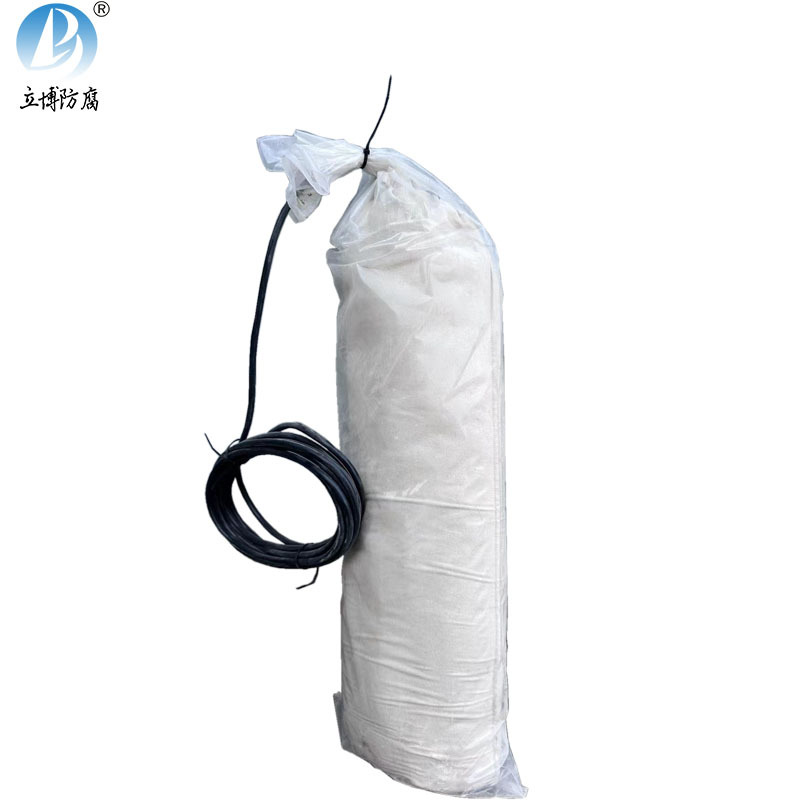
The company's main products: magnesium alloy sacrificial anode series, aluminum alloy sacrificial anode series, zinc alloy sacrificial anode series, and cathodic protection supporting products, such as more than a dozen varieties and hundreds of specifications.


Focus on the development and production of cathodic protection materials

online message
We will contact you within one working day. Please pay attention to your phone or email.