

Online Inquiry

We will contact you within one working day. Please pay attention to your phone or email.

Online Inquiry

Understanding the Importance of a Set of Magnesium Anodes in Corrosion Prevention


Release time:

2025-03-17

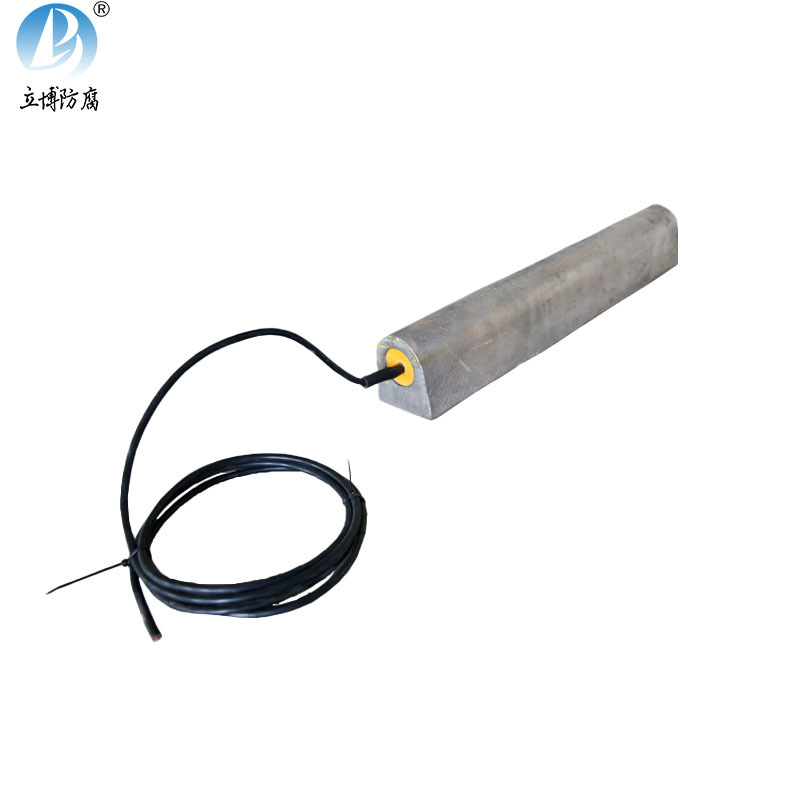
Corrosion is a natural process that can significantly compromise the integrity of metal structures, leading to costly repairs and replacements. One effective way to combat this issue is through the use of a set of magnesium anodes. These anodes act as sacrificial protection, meaning they corrode instead of the metal structures they are designed to protect. This process is critical in environments

Corrosion is a natural process that can significantly compromise the integrity of metal structures, leading to costly repairs and replacements. One effective way to combat this issue is through the use of a set of magnesium anodes. These anodes act as sacrificial protection, meaning they corrode instead of the metal structures they are designed to protect. This process is critical in environments where metals are exposed to moisture and corrosive elements, such as in marine or underground applications.
Magnesium anodes are specifically chosen for their high electrochemical potential, making them highly effective in preventing corrosion. When installed correctly, they create a galvanic cell, where the anode serves as the target for corrosion, thus safeguarding the primary metal structure. This is particularly beneficial in applications involving steel, aluminum, and iron, where exposure to water and chemicals can accelerate corrosion rates.
Choosing the right set of magnesium anodes requires careful consideration of several factors. The size and weight of the anodes should match the specific requirements of the application. Additionally, the environmental conditions, such as salinity, temperature, and pH levels, can influence the performance of the anodes. Therefore, conducting a thorough assessment of the installation environment is essential for optimal protection.
Regular maintenance and inspection of the set of magnesium anodes are also crucial. Anodes should be checked periodically for signs of corrosion and replaced as necessary to ensure ongoing protection. Typically, anodes need to be replaced when they have lost 50% of their original weight. By monitoring the condition of these anodes, property owners can prevent premature corrosion of their metal structures and avoid the high costs associated with repair or replacement.
In conclusion, a set of magnesium anodes is an essential component in the fight against corrosion in the construction and decorative materials industry. They provide sacrificial protection to metal structures, prolonging their lifespan and maintaining their integrity. By understanding their functionality and implementing best practices for selection and maintenance, property owners can effectively safeguard their investments against the detrimental effects of corrosion. Investing in quality magnesium anodes is a proactive step toward ensuring long-lasting performance and durability of metal installations.

Key words:

Learn more about industry dynamics

The company's main products: magnesium alloy sacrificial anode series, aluminum alloy sacrificial anode series, zinc alloy sacrificial anode series, and cathodic protection supporting products, such as more than a dozen varieties and hundreds of specifications.

Cathodic protection of ships

The amount of stagnant dirty water in the ship's bilge is too small, so conventional anodes cannot provide protection. Experiments have been conducted using conductive adhesives to attach very flat anodes to polished surfaces, but the results showed that this method is not very effective. However, using aluminum or zinc alloy wire anodes with a steel core has yielded better results. These wire anodes have a diameter of 6 to 10 mm and are laid in a ring shape directly on the deck. They pass through fixed structural components and are secured in place with brazing. Sprinkling zinc powder on the relevant areas can increase activity and provide additional protection. Sprinkling 10 to 100 micrometers of zinc powder in corrosion pits can achieve good localized protection, but it is necessary to sprinkle zinc powder regularly, such as every 3 to 6 months. The wire anodes can be used for 2 years after installation.

Understanding Portable Reference Electrodes: Essential Tools for Environmental Monitoring

Portable reference electrodes are vital components used in various electrochemical applications, especially in the field of environmental monitoring. These electrodes serve as a stable reference point for measuring the potential of other electrodes, ensuring accurate readings and enhancing the reliability of data collected from environmental detection instruments. One of the key benefits of portab

Top Features to Look for in an Effective Reference Electrode

Introduction to Reference Electrodes Reference electrodes play a crucial role in electrochemical measurements, particularly in the field of environmental monitoring. They serve as a stable reference point against which the potential of a working electrode can be measured. This article delves into the **top features to look for in an effective reference electrode**, ensuring you make informed cho

Understanding Deep Well Anodes: Essential Insights for Corrosion Protection in Construction

Deep well anodes are critical components in the field of corrosion protection, particularly in construction and decorative materials. They serve as a vital line of defense against corrosion for various structures, including pipelines, tanks, and concrete foundations. Understanding the functionality and advantages of deep well anodes can help professionals in the industry make informed decisions wh

Focus on the development and production of cathodic protection materials

%E7%AC%AC%E4%B8%80%EF%BC%8C%E6%9C%80%EF%BC%8C%E4%BC%98%E7%A7%80%EF%BC%8C%E5%A2%9E%E5%BC%BA%EF%BC%8C%E4%B8%80%E6%B5%81

Sorry,当前栏目暂无内容!

您可以查看其他栏目或返回 首页

Sorry,The current column has no content!

You can view other columns or return Home