


Why Choose Cylindrical Magnesium Anodes for Marine Applications?
Release time:
2025-03-29
Cylindrical magnesium anodes play a crucial role in protecting marine structures from corrosion. They act as sacrificial anodes, meaning they corrode instead of the metal components they are designed to protect. This article aims to clarify the significance of these anodes and why they are preferred in marine applications.
Cylindrical magnesium anodes play a crucial role in protecting marine structures from corrosion. They act as sacrificial anodes, meaning they corrode instead of the metal components they are designed to protect. This article aims to clarify the significance of these anodes and why they are preferred in marine applications.
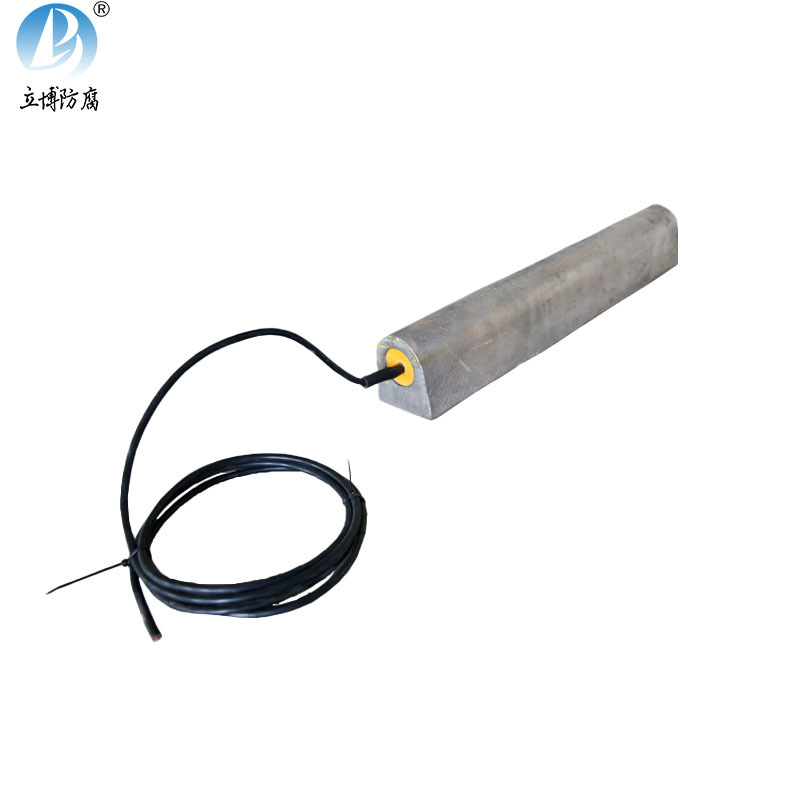
Cylindrical magnesium anodes are specialized components made from magnesium alloy, shaped into a cylindrical form for ease of installation and maximized surface area. Their primary function is to prevent galvanic corrosion in marine environments, where metal components are frequently exposed to saltwater.
Cathodic protection is the principle underlying the use of magnesium anodes. When two dissimilar metals are immersed in an electrolyte, such as seawater, the less noble metal (in this case, magnesium) will corrode preferentially. This process helps to shield more valuable components, like steel hulls or other metals, from rust and degradation.
One of the most significant benefits of cylindrical magnesium anodes is their high efficiency in corrosion prevention. Magnesium has a negative electrochemical potential, making it highly effective for cathodic protection. This efficiency ensures the longevity of marine structures, saving costs on repairs and replacements.
The lightweight nature of magnesium allows for easy handling and installation. Cylindrical shapes maximize surface area while minimizing the weight, making them ideal for various marine applications, from boat hulls to offshore structures.
While the initial investment in magnesium anodes may appear higher compared to other anodes, their longevity and effectiveness often result in significant long-term savings. Reduced maintenance costs and extended service life make them a financially sound choice for marine applications.
Boat hulls are constantly exposed to harsh marine conditions. Installing cylindrical magnesium anodes on the hull helps to extend its lifespan by preventing corrosion, thus maintaining performance and safety.
Offshore oil rigs and wind farms face unique challenges, including damaging wave action and saltwater exposure. Magnesium anodes are ideal for protecting these installations, ensuring they remain operational despite corrosive marine environments.
Cylindrical magnesium anodes are commonly used on underwater pipelines to prevent corrosion from saltwater, which can severely impact the integrity of these vital infrastructures.
To maximize the effectiveness of cylindrical magnesium anodes, proper installation techniques must be employed. The anodes should be securely attached to the metal surfaces, ensuring adequate electrical contact.
Zinc anodes are widely used; however, they may not perform as efficiently in saltwater as magnesium anodes. Magnesium’s higher potential for cathodic protection makes it the preferred choice in many marine applications.
Aluminum anodes offer a good balance between weight and corrosion resistance, but magnesium provides superior protection, particularly in cold saltwater environments. This efficiency makes magnesium a favored option for many marine applications.
As we strive to make marine applications more sustainable, magnesium anodes present a viable option due to their environmentally friendly properties. Being a naturally occurring element, they can be disposed of without significant environmental impact.
By choosing magnesium anodes, we are not only protecting our marine vessels but also contributing to environmental conservation. Their effective performance leads to less frequent replacements and, consequently, reduced waste.
Cylindrical magnesium anodes serve as a critical line of defense against marine corrosion, ensuring the longevity and durability of various marine structures. Their lightweight design, cost-effectiveness, and high efficiency in cathodic protection make them an unparalleled choice for marine applications. By selecting magnesium anodes, we not only enhance the lifespan of our vessels and structures but also contribute positively to environmental sustainability. With proper installation and maintenance, these anodes will continue to provide reliable protection against the corrosive forces of the marine environment.
Key words:
Learn more about industry dynamics
The company's main products: magnesium alloy sacrificial anode series, aluminum alloy sacrificial anode series, zinc alloy sacrificial anode series, and cathodic protection supporting products, such as more than a dozen varieties and hundreds of specifications.


Focus on the development and production of cathodic protection materials

online message
We will contact you within one working day. Please pay attention to your phone or email.