


Unlocking the Benefits of Using Cylindrical Magnesium Anodes in Corrosion Protection
Release time:
2025-02-17
Unlocking the Benefits of Using Cylindrical Magnesium Anodes in Corrosion Protection Table of Contents Introduction to Corrosion and Its Impacts What Are Cylindrical Magnesium Anodes? How Do Cylindrical Magnesium Anodes Work in Corrosion Protection? Advantages of Using Magnesium Anodes Applications of Cylindrical Magnesium Anodes in Various Industries Environmental Conside
Unlocking the Benefits of Using Cylindrical Magnesium Anodes in Corrosion Protection
Table of Contents
- Introduction to Corrosion and Its Impacts
- What Are Cylindrical Magnesium Anodes?
- How Do Cylindrical Magnesium Anodes Work in Corrosion Protection?
- Advantages of Using Magnesium Anodes
- Applications of Cylindrical Magnesium Anodes in Various Industries
- Environmental Considerations of Using Magnesium Anodes
- Installation and Maintenance of Magnesium Anodes
- Frequently Asked Questions (FAQs)
- Conclusion
Introduction to Corrosion and Its Impacts
Corrosion is a natural, electrochemical process that leads to the deterioration of metal materials when they react with moisture, air, and various chemicals in their environment. The implications of corrosion are far-reaching, affecting everything from infrastructure and transportation to water supply systems. **Preventing corrosion** is vital to maintaining the integrity and longevity of metal structures, which is where cylindrical magnesium anodes come into play.
Corrosion can lead to significant economic losses, estimated in the billions annually, and poses safety risks, especially in critical infrastructure. Effective corrosion protection strategies are essential to prolonging the lifespan of metallic components, ensuring safety, and reducing maintenance costs.
What Are Cylindrical Magnesium Anodes?
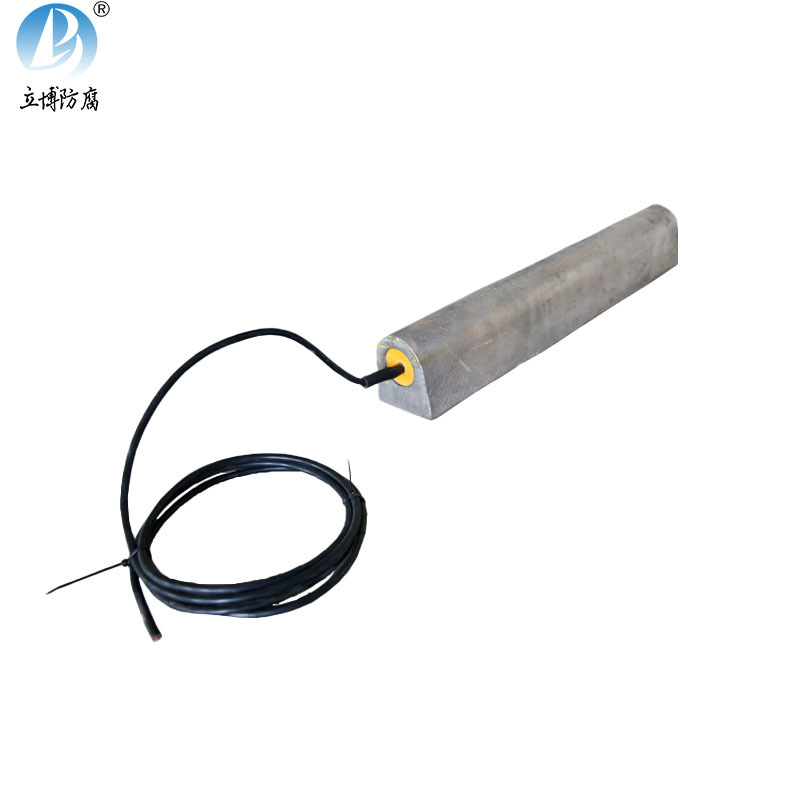
Cylindrical magnesium anodes are sacrificial anodes used in cathodic protection systems to prevent corrosion by sacrificing themselves to protect more valuable metal structures. Made primarily of high-purity magnesium, these anodes are designed in a cylindrical shape to enhance their performance and adaptability in various applications.
Magnesium anodes are chosen for their **high electrochemical potential** and are particularly effective in freshwater environments. Their ability to provide a continuous supply of electrons helps prevent the corrosion of surrounding metal structures by diverting the corrosive process away from them.
How Do Cylindrical Magnesium Anodes Work in Corrosion Protection?
The operation of cylindrical magnesium anodes relies on the principles of electrochemistry. When the anode is connected to a metal structure that requires protection, it creates a galvanic cell. In this cell, the magnesium anode acts as the anode, while the metal structure becomes the cathode.
As the magnesium anode sacrifices itself, it releases electrons that flow to the cathodic structure. This electron flow effectively reduces the oxidation process, thereby inhibiting corrosion. The critical elements involved in this process include:
Galvanic Corrosion Prevention
By using magnesium anodes, one can effectively prevent galvanic corrosion, where dissimilar metals in contact corrode at different rates. The magnesium anode's electrochemical properties ensure that it corrodes preferentially, preserving the integrity of the metal structure.
Electrolytic Properties
The effectiveness of magnesium anodes is also attributed to their electrolytic properties. They work efficiently in various environments, including soil, freshwater, and saltwater, providing versatile applications across multiple industries.
Advantages of Using Magnesium Anodes
Cylindrical magnesium anodes offer numerous benefits that make them a preferred choice for corrosion protection:
1. High Efficiency
Magnesium is known for its **high current output** and efficiency, making it an effective choice for sacrificial anodes. This high output ensures optimal protection for various metal structures, extending their lifespan significantly.
2. Cost-Effectiveness
Compared to other materials, magnesium anodes are relatively inexpensive. Their ability to prolong the life of metal structures dramatically outweighs the initial investment costs, leading to significant savings on maintenance and repairs.
3. Lightweight and Easy to Install
The lightweight nature of magnesium anodes makes transportation and installation straightforward. Their cylindrical shape allows them to fit snugly in various applications, facilitating easy integration into existing systems.
4. Environmentally Friendly
Magnesium is a naturally occurring element, making these anodes less harmful to the environment than other metal anodes. Their safe disposal and minimal environmental impact are significant advantages for environmentally conscious industries.
5. Versatile Applications
From maritime to underground pipelines and reinforced structures, magnesium anodes can be used in diverse environments. Their adaptability ensures comprehensive corrosion protection across various industries.
Applications of Cylindrical Magnesium Anodes in Various Industries
The versatility of cylindrical magnesium anodes allows their use in numerous sectors, including:
1. Marine Industry
In the marine environment, where seawater poses a significant corrosion risk, magnesium anodes protect ships, docks, and submerged structures. Their efficient corrosion protection ensures the longevity and safety of vessels and marine infrastructure.
2. Oil and Gas
Oil and gas pipelines are susceptible to corrosion due to the presence of moisture and chemicals. Magnesium anodes effectively protect these pipelines, ensuring safe operations and reducing the risk of leaks and ruptures.
3. Water Treatment Facilities
Water treatment facilities utilize magnesium anodes to protect metal piping and tanks from corrosion, ensuring the safe delivery of potable water. Their functionality is crucial for maintaining the integrity of infrastructure in the water industry.
4. Electrical and Electronic Applications
Cylindrical magnesium anodes are employed in various electronic applications, particularly in cathodic protection systems for electrical components. Their ability to prevent corrosion in these applications is vital for maintaining performance and reliability.
5. Reinforced Concrete Structures
In reinforced concrete structures, magnesium anodes are used to protect embedded steel from corrosion, which can lead to structural failure. Integrating these anodes within the concrete mix provides long-lasting protection and enhances durability.
Environmental Considerations of Using Magnesium Anodes
While magnesium anodes offer numerous benefits, it’s crucial to consider their environmental impact. Magnesium is a naturally occurring element, and its use in corrosion protection systems is generally safe. However, proper disposal methods should be followed to minimize any potential environmental effects.
Recycling and reusing magnesium anodes can significantly reduce waste and promote sustainability in corrosion protection practices. Many manufacturers are developing eco-friendly anode solutions, further enhancing the environmental benefits of using magnesium for cathodic protection.
Installation and Maintenance of Magnesium Anodes
Proper installation and maintenance of cylindrical magnesium anodes are essential to ensure their effectiveness in corrosion protection.
Installation Guidelines
Before installation, it’s crucial to assess the environment where the anodes will be used. The following steps should be followed for optimal installation:
1. **Site Assessment:** Evaluate the site conditions, including moisture levels and soil resistivity.
2. **Anode Placement:** Position the magnesium anodes at strategic locations to maximize coverage and protection.
3. **Connection:** Ensure robust and corrosion-resistant connections between the anodes and the structures to facilitate effective electron flow.
Maintenance Practices
Regular inspections and maintenance of magnesium anodes are crucial for ensuring their continued effectiveness.
1. **Visual Inspections:** Check for signs of degradation or excessive corrosion on the anodes.
2. **Replacement Schedule:** Establish a replacement schedule based on the rate of consumption and environmental conditions.
3. **Documentation:** Keep records of inspections and replacements to track the performance of the anodes effectively.
Frequently Asked Questions (FAQs)
1. What is the lifespan of cylindrical magnesium anodes?
The lifespan of magnesium anodes varies based on environmental conditions, usage, and maintenance. Typically, they last between 2 to 5 years.
2. How do I know when to replace my magnesium anodes?
Regular inspections can help determine when to replace magnesium anodes. Signs of significant corrosion or degradation indicate that replacement is necessary.
3. Are magnesium anodes safe to use in freshwater?
Yes, magnesium anodes are particularly effective in freshwater environments and are safe for use in such applications.
4. Can I use magnesium anodes in saltwater?
While magnesium anodes can be used in saltwater, their efficiency may vary. It's essential to consider the specific application and environment.
5. What is the difference between magnesium anodes and zinc anodes?
Magnesium anodes have a higher electrochemical potential than zinc anodes, making them more effective in freshwater environments. Zinc is typically better for saltwater applications.
Conclusion
Cylindrical magnesium anodes provide an effective, economical, and environmentally friendly solution for corrosion protection across various industries. Their unique properties and versatility make them an invaluable asset in preserving the integrity of metal structures. Understanding their functionality, advantages, and applications empowers industries to make informed decisions about corrosion protection. By leveraging the benefits of cylindrical magnesium anodes, we can ensure the longevity and safety of critical infrastructure, ultimately reducing economic losses and enhancing environmental sustainability.
Key words:
Learn more about industry dynamics
The company's main products: magnesium alloy sacrificial anode series, aluminum alloy sacrificial anode series, zinc alloy sacrificial anode series, and cathodic protection supporting products, such as more than a dozen varieties and hundreds of specifications.


Focus on the development and production of cathodic protection materials

online message
We will contact you within one working day. Please pay attention to your phone or email.