


Enhancing Corrosion Resistance: The Benefits of Magnesium Anodes
Release time:
2025-04-06
Corrosion is an inevitable chemical reaction that results in the deterioration of materials, especially metals, when exposed to moisture, air, and other environmental elements. This process not only leads to structural damage but can also incur significant financial costs due to the need for repairs or replacements. Therefore, enhancing corrosion resistance is crucial for preserving the integrity of structures and equipment across various industries.
Corrosion is an inevitable chemical reaction that results in the deterioration of materials, especially metals, when exposed to moisture, air, and other environmental elements. This process not only leads to structural damage but can also incur significant financial costs due to the need for repairs or replacements. Therefore, enhancing corrosion resistance is crucial for preserving the integrity of structures and equipment across various industries.
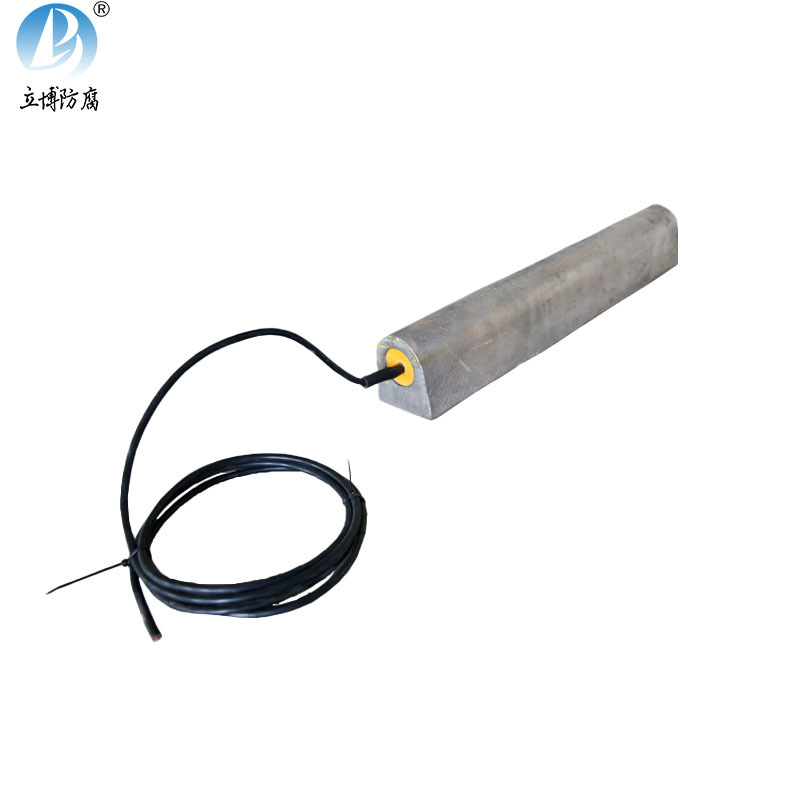
Magnesium anodes are sacrificial anodes used primarily to protect metal structures from corrosion. Made from high-purity magnesium, these anodes are designed to corrode preferentially when installed in electrical contact with a metal surface. By doing so, they effectively prevent the underlying metal from oxidizing and deteriorating.
The principle behind magnesium anodes lies in electrochemistry. When magnesium anodes are connected to a metal structure, they create a galvanic cell. The magnesium anode serves as the anode, meaning it loses electrons and corrodes, while the metal structure becomes the cathode and is protected from oxidation. This process is known as cathodic protection, and it is highly effective in various applications, particularly in wet environments.
One of the significant advantages of magnesium anodes is their cost-effectiveness. They are relatively inexpensive compared to other types of anodes, such as zinc or aluminum. The initial investment in magnesium anodes can lead to substantial savings in maintenance and replacement costs over time, particularly in high-corrosion environments.
Magnesium is a naturally abundant and environmentally friendly metal. Unlike some alternatives that may contain toxic substances, magnesium anodes are non-toxic and can be safely disposed of without harming the environment. This makes them a preferred choice for organizations committed to sustainability and environmental stewardship.
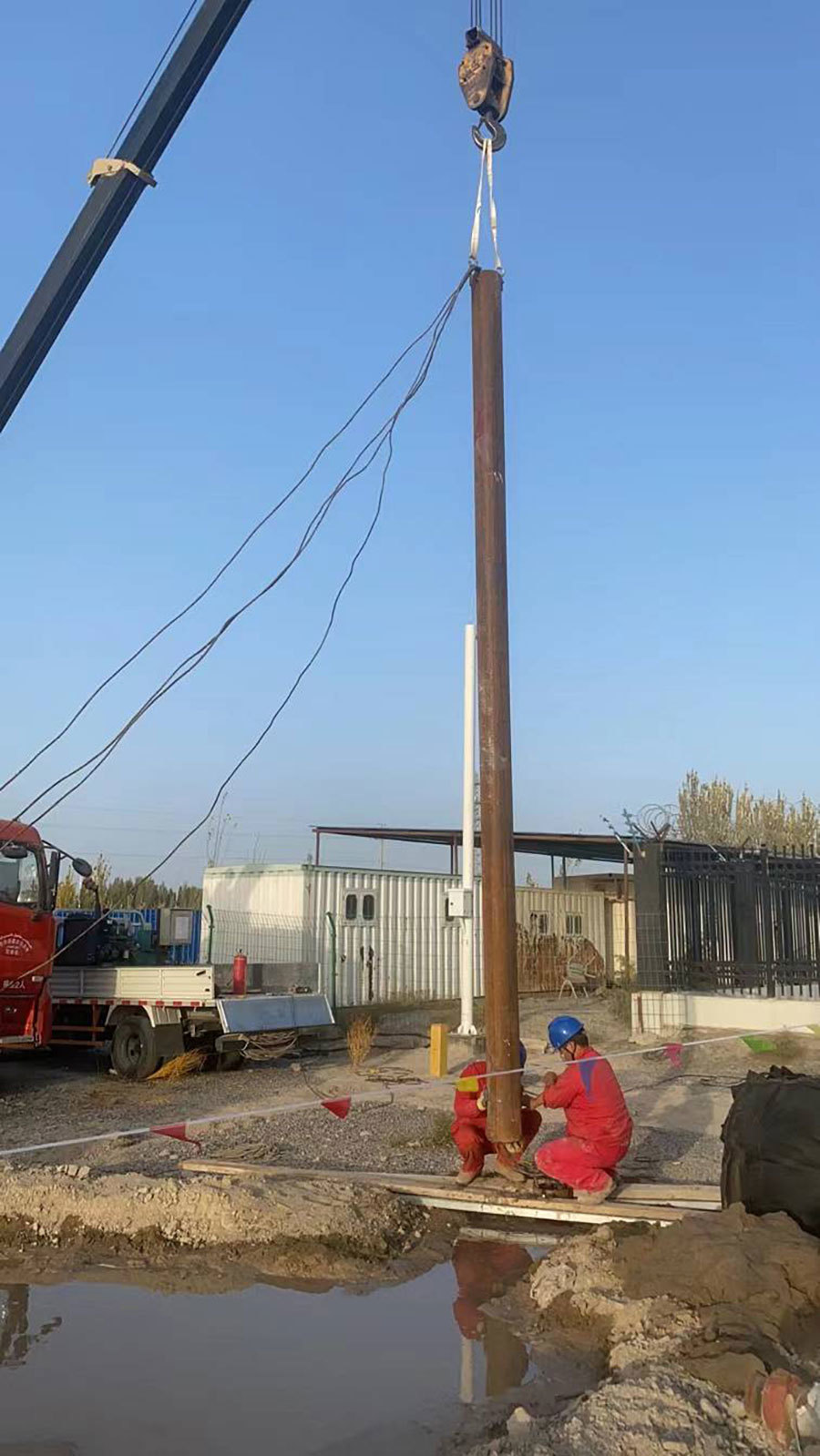
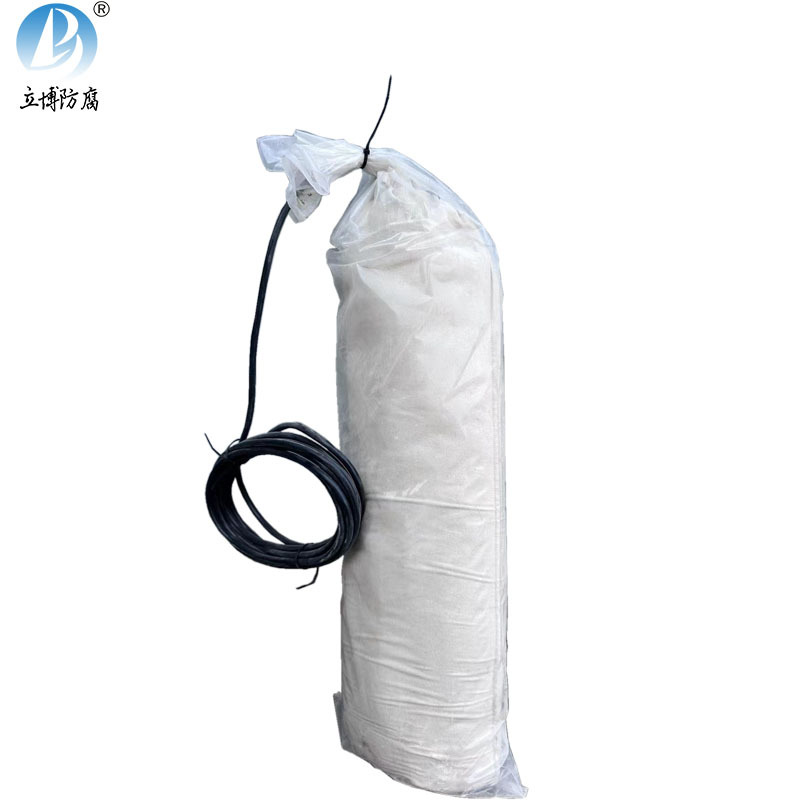
Installing magnesium anodes is straightforward, requiring minimal tools and expertise. Their lightweight nature allows for easy handling and placement, whether in marine applications or buried in soil to protect pipelines. Once installed, these anodes can be monitored and replaced with minimal disruption, ensuring continuous protection against corrosion.
The marine industry is one of the most significant beneficiaries of magnesium anode technology. Ships, boats, and offshore structures are continually exposed to saltwater, which accelerates corrosion. Magnesium anodes are commonly used on hulls, propellers, and other submerged components to protect them from seawater degradation, thereby extending their operational lifespan.
Infrastructure, including bridges, pipelines, and water tanks, is susceptible to corrosion due to environmental factors. Magnesium anodes are employed in various construction projects to safeguard metal components. When integrated into reinforced concrete or embedded in soil around pipelines, magnesium anodes can significantly enhance the durability of structural elements.
In the oil and gas industry, corrosion can lead to catastrophic failures and environmental disasters. Magnesium anodes are crucial for protecting offshore platforms, pipelines, and storage tanks from corrosive agents present in the environment. Their ability to provide reliable cathodic protection ensures safe and efficient operations in this critical sector.
In conclusion, magnesium anodes are essential tools for enhancing corrosion resistance in various industries. Their cost-effectiveness, environmental benefits, and ease of installation make them a superior choice for protecting metal structures from the ravages of corrosion. By employing magnesium anodes, industries can significantly reduce maintenance costs, prolong asset lifespan, and ensure safer operations. With ongoing advancements in materials and technology, magnesium anodes will continue to play a pivotal role in corrosion management and prevention.
Key words:
Learn more about industry dynamics
The company's main products: magnesium alloy sacrificial anode series, aluminum alloy sacrificial anode series, zinc alloy sacrificial anode series, and cathodic protection supporting products, such as more than a dozen varieties and hundreds of specifications.


Focus on the development and production of cathodic protection materials

online message
We will contact you within one working day. Please pay attention to your phone or email.