


Exploring the Benefits of Bracelet-Style Aluminum Anodizing in Architectural Applications
Release time:
2025-02-21
Aluminum anodizing is a surface treatment process that enhances the natural properties of aluminum, making it more durable and aesthetically pleasing. The bracelet-style anodizing technique has gained attention in various sectors, especially in the realm of architectural and decorative materials. This process involves electrochemically converting the surface of aluminum into a thick, protective ox
Aluminum anodizing is a surface treatment process that enhances the natural properties of aluminum, making it more durable and aesthetically pleasing. The bracelet-style anodizing technique has gained attention in various sectors, especially in the realm of architectural and decorative materials. This process involves electrochemically converting the surface of aluminum into a thick, protective oxide layer, which not only enhances its corrosion resistance but also allows for a variety of finishes and colors.
One of the primary advantages of bracelet-style aluminum anodizing is its ability to improve the longevity of aluminum products. The anodized layer is significantly harder than the aluminum itself, providing exceptional resistance to scratches, wear, and fading. This is particularly beneficial in architectural applications where materials are exposed to harsh environmental conditions. With improved durability, structures and decorative elements maintain their aesthetic appeal over time, ultimately reducing the need for frequent replacements or maintenance.
In addition to its protective qualities, this anodizing technique allows for enhanced design flexibility. The surface can be dyed in a wide range of colors, enabling architects and designers to achieve specific aesthetic goals that align with their vision. The ability to customize aluminum with vibrant hues without compromising its integrity makes bracelet-style anodizing an attractive option for both new constructions and renovations.
Moreover, the anodizing process is environmentally friendly. It is a sustainable method of enhancing aluminum, as it can be done without harmful chemicals or excessive energy consumption. The anodized layer is also non-toxic, making it safe for various applications, including those in sensitive environments such as hospitals and schools.
Another significant benefit of aluminum anodizing is its resistance to corrosion. In environments where moisture and corrosive agents are prevalent, untreated aluminum can quickly degrade. However, the anodized layer acts as a barrier, effectively preventing corrosion and extending the lifespan of the material. This characteristic is essential for building components exposed to rain, humidity, or salt air, ensuring that structures remain safe and intact for years.
In conclusion, bracelet-style aluminum anodizing offers a multitude of advantages that make it a preferred choice in the architectural and decorative materials industry. From enhanced durability and design flexibility to environmental sustainability and superior corrosion resistance, this process transforms aluminum into a functional and aesthetically pleasing material. As architects and designers continue to explore innovative solutions, understanding the benefits of this anodizing technique will undoubtedly influence future construction trends.
Key words:
Learn more about industry dynamics
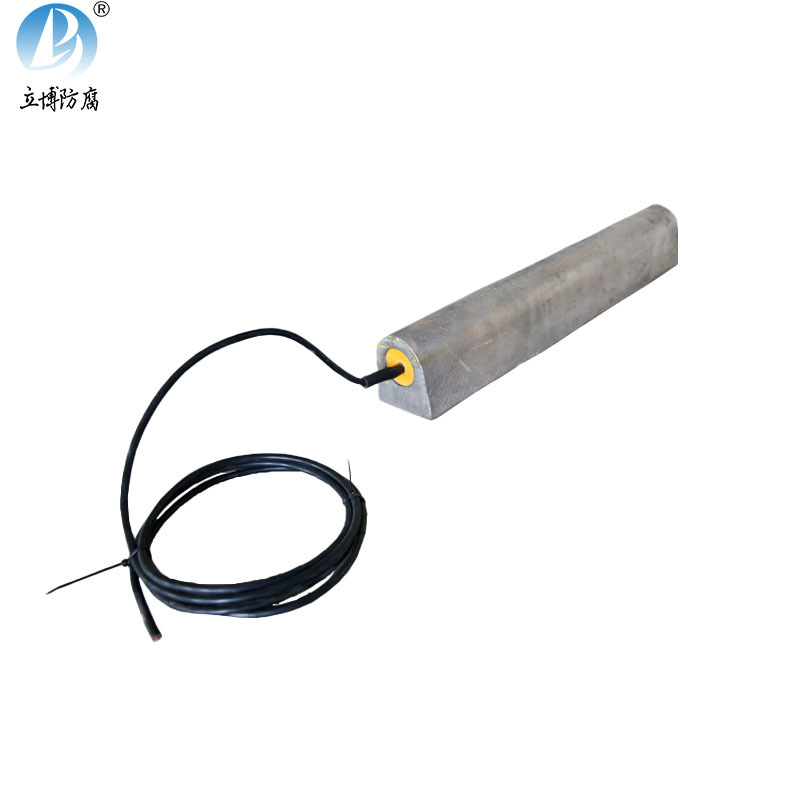
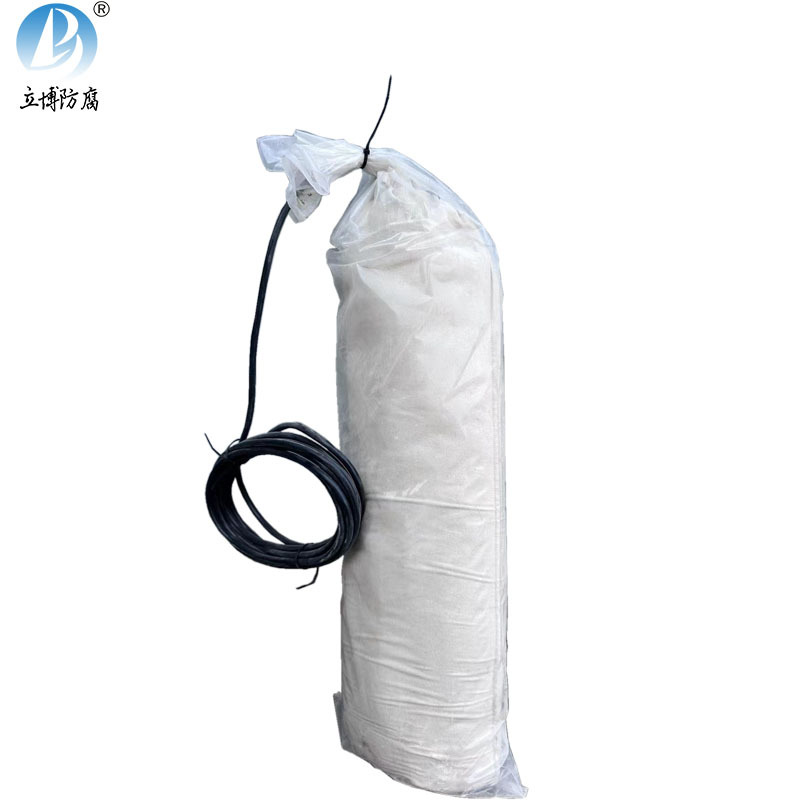
The company's main products: magnesium alloy sacrificial anode series, aluminum alloy sacrificial anode series, zinc alloy sacrificial anode series, and cathodic protection supporting products, such as more than a dozen varieties and hundreds of specifications.


Focus on the development and production of cathodic protection materials

online message
We will contact you within one working day. Please pay attention to your phone or email.