


The Importance of Irregular Zinc Anodes in Corrosion Prevention
Release time:
2025-03-01
Corrosion is a common challenge faced in the construction and decorative materials industry, particularly when it comes to metal components exposed to harsh environments. One effective solution to combat this issue is the use of irregular zinc anodes. Understanding their role can greatly benefit anyone involved in the construction or maintenance of structures. Irregular zinc anodes are sacrificial
Corrosion is a common challenge faced in the construction and decorative materials industry, particularly when it comes to metal components exposed to harsh environments. One effective solution to combat this issue is the use of irregular zinc anodes. Understanding their role can greatly benefit anyone involved in the construction or maintenance of structures.
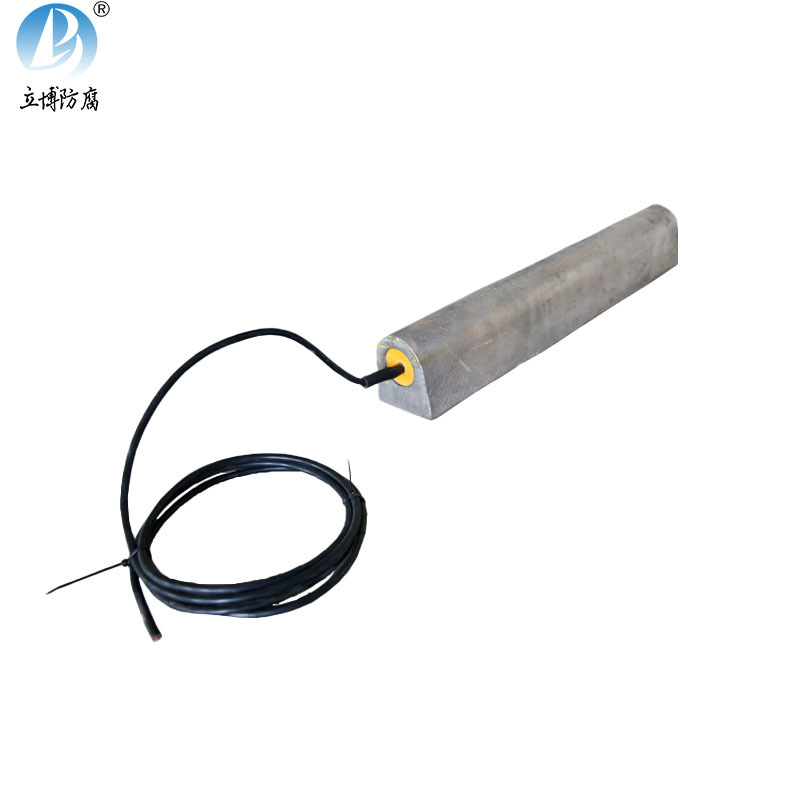
Irregular zinc anodes are sacrificial anodes that are often used to prevent corrosion in metal surfaces. They work on the principle of galvanic corrosion, where less noble metals corrode preferentially over more noble metals. By incorporating irregular zinc anodes into your corrosion prevention strategy, you can effectively protect metal structures, pipelines, and marine applications from the damaging effects of rust.
One key advantage of irregular zinc anodes is their ability to provide a larger surface area for the electrochemical reactions that occur during the corrosion process. The irregular shape increases the active surface area, allowing for more efficient corrosion protection. This is particularly beneficial in environments where traditional, smooth anodes may not provide adequate coverage or protection.
Additionally, irregular zinc anodes can be strategically placed in locations where corrosion risk is heightened, such as areas with difficult-to-reach surfaces or complex geometries. Their versatility makes them suitable for use in a variety of applications, including bridges, ships, and underground pipelines.
It's also essential to consider the material properties of zinc. Zinc has a relatively low electrochemical potential, making it a highly effective choice for sacrificial anodes. When these anodes corrode, they create a protective barrier that prevents the underlying metal from experiencing corrosion, thus extending the lifespan of the structure.
In order to maximize the effectiveness of irregular zinc anodes, regular inspections and maintenance are crucial. Monitoring their condition can help determine when replacements are necessary, ensuring that corrosion protection remains effective. Furthermore, understanding the specific environmental factors at play—such as salinity, temperature, and pH levels—can inform decisions regarding the type and placement of zinc anodes.
In conclusion, irregular zinc anodes serve as a vital component in the fight against corrosion in the construction and decorative materials industry. Their unique shapes not only enhance their protective capabilities but also provide flexibility in their application. By investing in high-quality irregular zinc anodes and adhering to best practices for maintenance and monitoring, you can safeguard structures against the detrimental impacts of corrosion, ensuring their durability and longevity for years to come.
Key words:
Learn more about industry dynamics
The company's main products: magnesium alloy sacrificial anode series, aluminum alloy sacrificial anode series, zinc alloy sacrificial anode series, and cathodic protection supporting products, such as more than a dozen varieties and hundreds of specifications.


Focus on the development and production of cathodic protection materials

online message
We will contact you within one working day. Please pay attention to your phone or email.