


Understanding Cylindrical Magnesium Anodes
Release time:
2025-03-09
Cylindrical magnesium anodes are an essential component in the field of cathodic protection, particularly for preventing corrosion in various metallic structures. These anodes are often used in marine environments, pipelines, and storage tanks, where they play a crucial role in safeguarding metal surfaces from the damaging effects of corrosion. Corrosion is a natural process that occurs when meta
Cylindrical magnesium anodes are an essential component in the field of cathodic protection, particularly for preventing corrosion in various metallic structures. These anodes are often used in marine environments, pipelines, and storage tanks, where they play a crucial role in safeguarding metal surfaces from the damaging effects of corrosion.
Corrosion is a natural process that occurs when metals react with their environment, leading to deterioration and potential failure of structures. Magnesium anodes are designed to be sacrificial, meaning they corrode preferentially to the underlying metal they protect. This occurs because magnesium has a more negative electrochemical potential compared to many other metals, making it an excellent choice for cathodic protection systems.
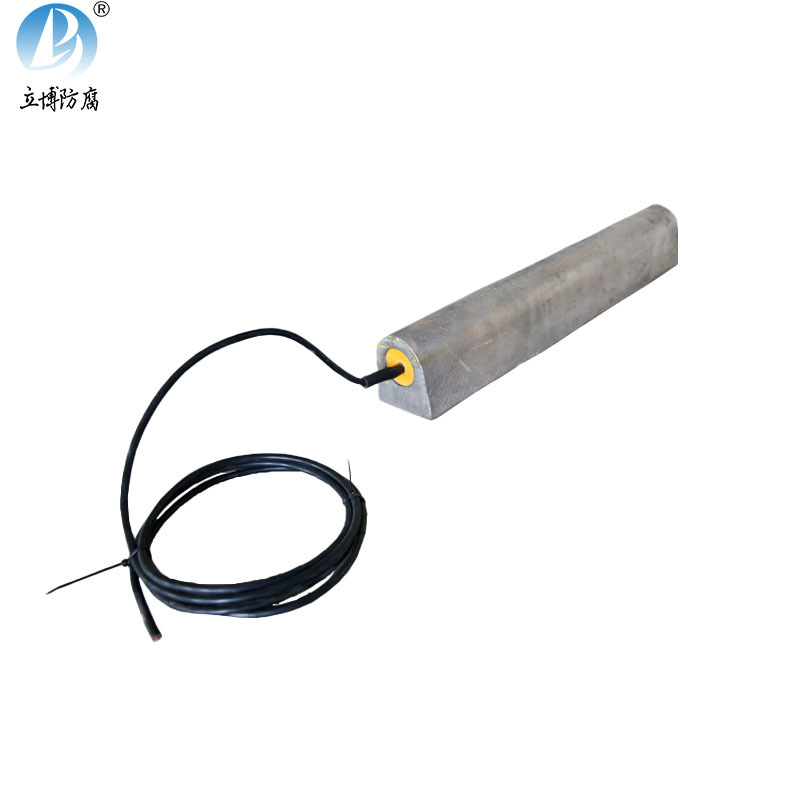
Cylindrical magnesium anodes are favored for their shape, which allows for uniform current distribution and increased surface area for effective protection. Their design ensures that they can be easily installed in various applications, and their cylindrical shape allows for efficient performance, especially in environments where space is limited.
One of the primary benefits of using cylindrical magnesium anodes is their lightweight nature. Magnesium alloys are significantly less dense than other metals, making them easier to handle and install. This characteristic is particularly beneficial in remote or inaccessible locations, where heavy lifting equipment may not be available.
Moreover, the use of cylindrical magnesium anodes offers environmental advantages. Magnesium is a more environmentally friendly option compared to other anode materials, such as zinc and aluminum, as it is more abundant and less harmful to aquatic life when it corrodes. Thus, industries aiming for sustainable practices often prefer magnesium anodes in their operations.
In summary, cylindrical magnesium anodes serve as a vital solution for corrosion protection across various industries. Their efficiency, lightweight nature, and environmental benefits make them an attractive choice for metallurgical applications. Understanding how these anodes work and their advantages can help professionals in metallurgy and energy sectors make informed decisions about corrosion protection strategies. By integrating cylindrical magnesium anodes into their systems, businesses can enhance the longevity and safety of their metal structures, ultimately leading to cost savings and improved operational efficiency.
Key words:
Learn more about industry dynamics
The company's main products: magnesium alloy sacrificial anode series, aluminum alloy sacrificial anode series, zinc alloy sacrificial anode series, and cathodic protection supporting products, such as more than a dozen varieties and hundreds of specifications.


Focus on the development and production of cathodic protection materials

online message
We will contact you within one working day. Please pay attention to your phone or email.