


Flat Iron Zinc Anode: Strengthening Corrosion Protection Across Marine and Offshore Industries
Release time:
2025-11-14
Flat Iron Zinc Anodes provide reliable corrosion protection for ships, pipelines, offshore structures, and coastal assets in harsh marine environments.
As global marine and offshore infrastructure continues to expand, corrosion control has become a critical priority for operators, engineers, and asset owners. Among the many cathodic protection solutions available today, the Flat Iron Zinc Anode has emerged as a practical, durable, and cost-effective option for a wide range of submerged steel structures. With reliable electrochemical performance and simple installation, it has become a trusted choice in shipbuilding, offshore energy, subsea pipelines, and coastal engineering.
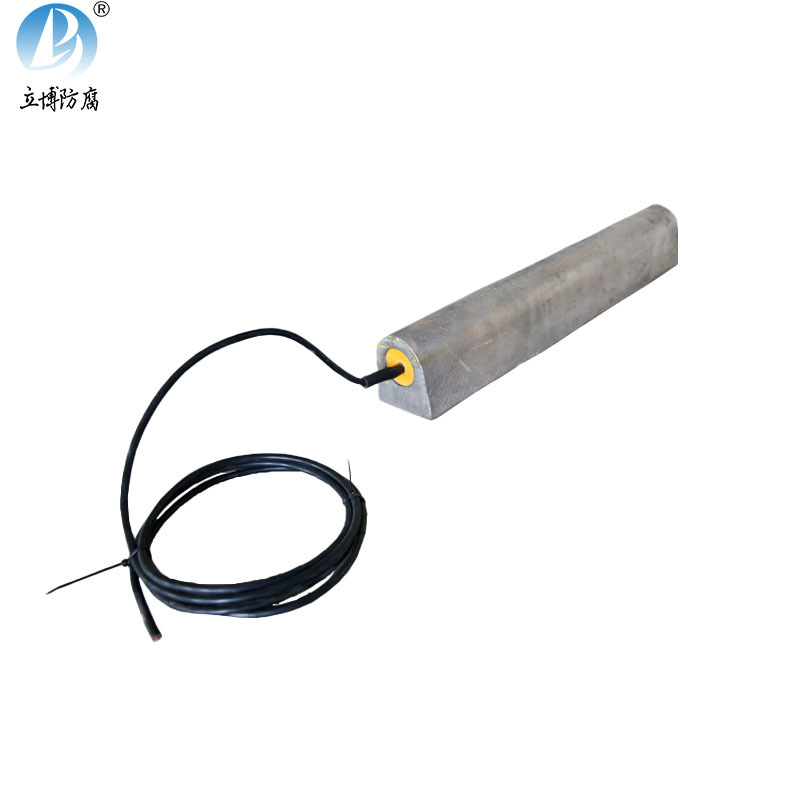
Flat iron zinc anodes are designed with a streamlined, flat profile that provides both mechanical strength and efficient surface contact. This unique geometry allows the anode to be welded or bolted onto hull plating, steel piles, risers, tanks, and harbor structures with minimal disruption. Their slim shape ensures stable positioning in strong currents and turbulent waters, making them ideal for long-term deployment in demanding marine environments. These anodes are often used in areas where round or bracelet-type anodes cannot be easily installed due to space limitations or specific structural requirements.
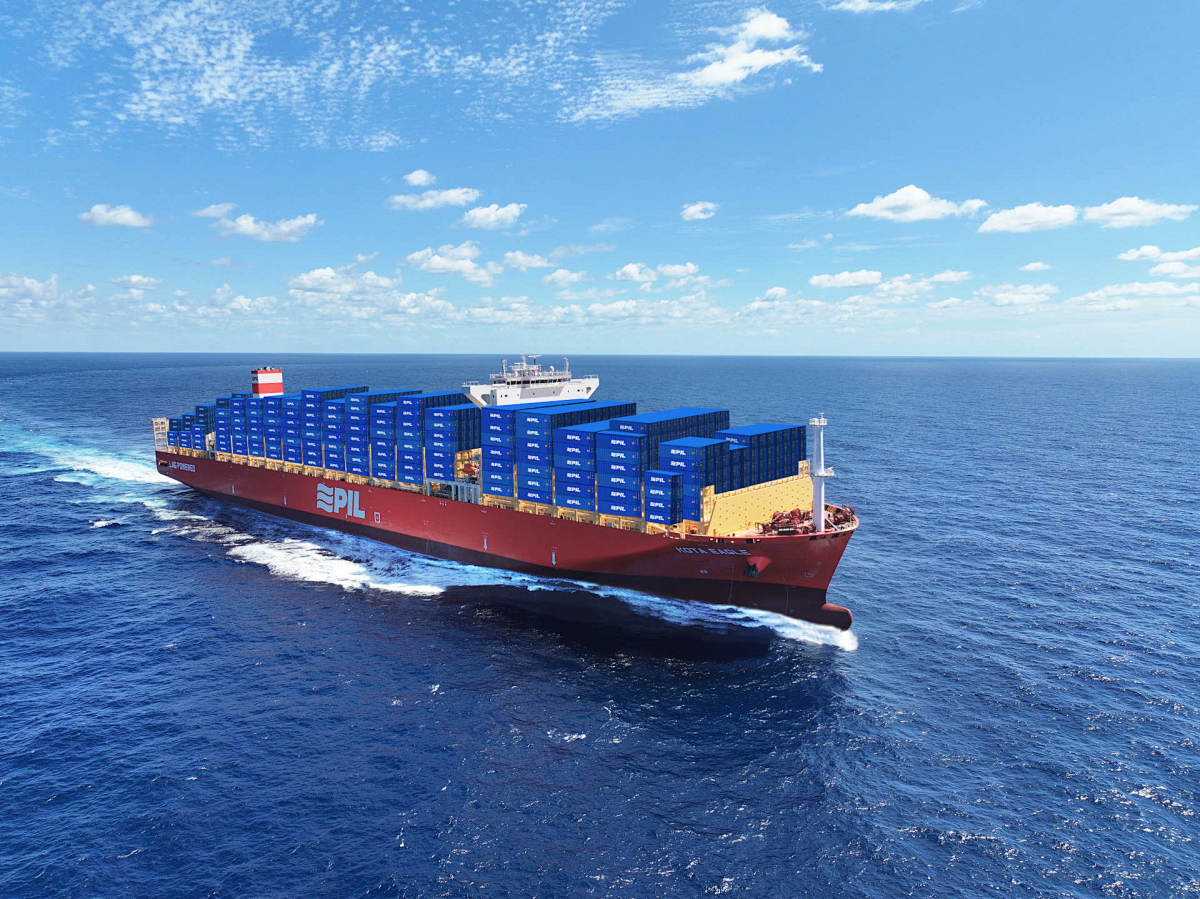
One of the major advantages of flat iron zinc anodes is their proven effectiveness in seawater. Zinc is recognized for its predictable consumption rate, stable potential output, and excellent performance in low-temperature and low-oxygen conditions. Unlike magnesium or aluminum, zinc maintains consistent electrical activity even when exposed to high salinity, biofouling, and fluctuating water chemistry. This reliability has led to its widespread adoption in naval vessels, merchant ships, fishing fleets, offshore platforms, and underwater support structures.
In addition to marine vessels, offshore energy projects have become a major user of flat iron zinc anodes. Steel jackets, conductor pipes, and subsea equipment used in oil and gas fields require continuous sacrificial protection to maintain structural integrity. As offshore drilling moves into deeper waters, the need for long-lasting corrosion protection has grown dramatically. Flat iron zinc anodes offer a stable solution that supports the operational lifespan of underwater infrastructure, reducing the risk of costly downtime, equipment failures, and environmental hazards.
Coastal civil engineering also benefits greatly from zinc anode technology. Ports, breakwaters, seawalls, steel sheet piles, and bridge foundations face constant corrosion stress due to tidal fluctuations and saltwater exposure. Flat iron zinc anodes provide a straightforward method for protecting these assets, especially during long-term rehabilitation or maintenance projects. Because the anodes are easy to install, they are frequently used during construction upgrades or retrofits to extend service life.
The manufacturing quality of flat iron zinc anodes has significantly improved in recent years. Modern producers utilize high-purity zinc alloys, advanced casting techniques, and strict quality control measures to ensure uniform chemical composition and optimal electrochemical output. Many manufacturers also offer customized shapes, sizes, and alloy formulations tailored to specific project conditions—such as temperature, water depth, conductivity, and expected design lifespan. These innovations ensure that the anodes deliver consistent protection throughout their operational life.
With global attention increasing on environmental protection and asset sustainability, sacrificial zinc anodes are gaining further importance. By preventing corrosion-related failures, they help avoid oil leaks, pollution incidents, and structural collapses that could harm marine ecosystems. Their predictable dissolution process and low environmental impact make them a compliant solution under international cathodic protection standards.
Between 2023 and 2025, the market demand for flat iron zinc anodes has risen steadily due to the expansion of offshore wind energy and subsea cable networks. These renewable energy installations rely heavily on stable cathodic protection systems to safeguard underwater foundations and power transmission lines. The simplicity and robustness of flat iron zinc anodes make them a preferred choice for developers seeking long-term protection solutions.
Looking ahead, continuous advancements in material engineering and production automation will likely enhance the efficiency and performance of flat iron zinc anodes. Improved alloy chemistry may deliver slower consumption rates, while advanced monitoring systems will allow operators to evaluate anode performance more accurately. These developments will help ensure the longevity of marine assets as industries continue moving toward deeper waters and more demanding operational environments.
In summary, the flat iron zinc anode has become a vital component of modern corrosion protection strategies. Its durability, ease of installation, and proven performance in saltwater conditions make it indispensable for ships, offshore platforms, coastal structures, and subsea equipment. As global marine activities expand, the demand for high-quality zinc anode solutions will remain strong, supporting safer and more sustainable operations across the maritime industry.
Key words:
Learn more about industry dynamics
The company's main products: magnesium alloy sacrificial anode series, aluminum alloy sacrificial anode series, zinc alloy sacrificial anode series, and cathodic protection supporting products, such as more than a dozen varieties and hundreds of specifications.

Focus on the development and production of cathodic protection materials

online message
We will contact you within one working day. Please pay attention to your phone or email.